
Focus on education, healthcare, employment, electricity, agriculture and infrastructure
Author:
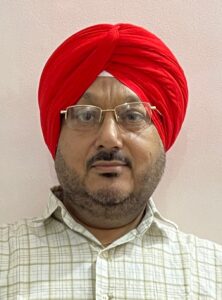
Shri Kapil Chadha, Chairman, Assembly Constituency East Trade Commission, Government of Punjab
Looking at the four-and-a-half-year tenure of the present Punjab Government, its policies and schemes have largely focused on providing basic facilities to the common people, strengthening the education and healthcare sectors, expanding employment opportunities, addressing issues related to agriculture and making the administration more accountable. The official Punjab Government portal lists departments such as Agriculture, Employment, Health, Higher Education, Industries, Power, Local Government and Good Governance as important components of the government’s administrative framework.
During this tenure, education has remained an important area of focus. Attention has been given to improving infrastructure in government schools, introducing modern educational facilities and creating a better learning environment for students. At the same time, departments dealing with higher and technical education have emphasized skill development and connecting young people with employment opportunities.
In the healthcare sector, efforts have also been made to bring basic health services closer to the people. Steps have been taken to strengthen the role of hospitals, clinics and other healthcare facilities within the government health system. Health and Family Welfare continues to be one of the key departments in the state’s administrative structure.
Employment and youth-related policies have also been an important part of the government’s agenda. Various government departments have been working towards government recruitment, skill development, employment generation and promotion of industrial activities. Departments such as Employment Generation, Skill Development and Training, and Industries and Commerce have been involved in implementing policies in this direction.
Considering the central role of agriculture in Punjab’s economy, issues related to farming, irrigation, mandis, water resources and farmers’ welfare have also remained part of the government’s agenda. Government documents recognize agriculture as a major foundation of the state’s economy, making the welfare of farmers an important policy area.
The electricity sector has also received attention, particularly regarding uninterrupted power supply and improvement in electricity-related services. The Punjab Government’s administrative framework includes the Power Department and various positions and mechanisms associated with PSPCL.
Similarly, development works related to roads, bridges, water supply, local government and urban development have been included in the state’s development agenda. The government’s e-Procurement portal shows numerous tenders across departments such as Local Government, Water Resources, Power, Health, Agriculture and Housing & Urban Development, reflecting ongoing administrative and infrastructure-related activities across the state.
In the area of administration and good governance, efforts have been made to provide government services online and make them more easily accessible to citizens. The official Punjab Government portal serves as a platform where information regarding various departmental services, schemes and government documents is made available at one place.
Another major challenge during this tenure has been disaster management. Following the devastating floods of 2025, large parts of Punjab suffered damage to homes, agricultural land, roads, bridges, schools and healthcare infrastructure. According to government figures cited in the article, 2,300 villages across 23 districts were affected, while initiatives such as ‘Mission Chardi Kala’ were launched for rehabilitation and reconstruction.
Overall, while assessing the four-and-a-half-year tenure of the Punjab Government led by Chief Minister Bhagwant Mann, areas such as education, healthcare, employment, agriculture, electricity, infrastructure, administrative reforms and disaster management emerge as major areas of focus.
However, the final assessment of these initiatives should be based on the actual benefits reaching people, the ground-level implementation of government schemes and the results they produce in the future.
KL JIT WALIA