Claims peace, harmony, and public welfare will return under the leadership of MP Bhai Amritpal Singh
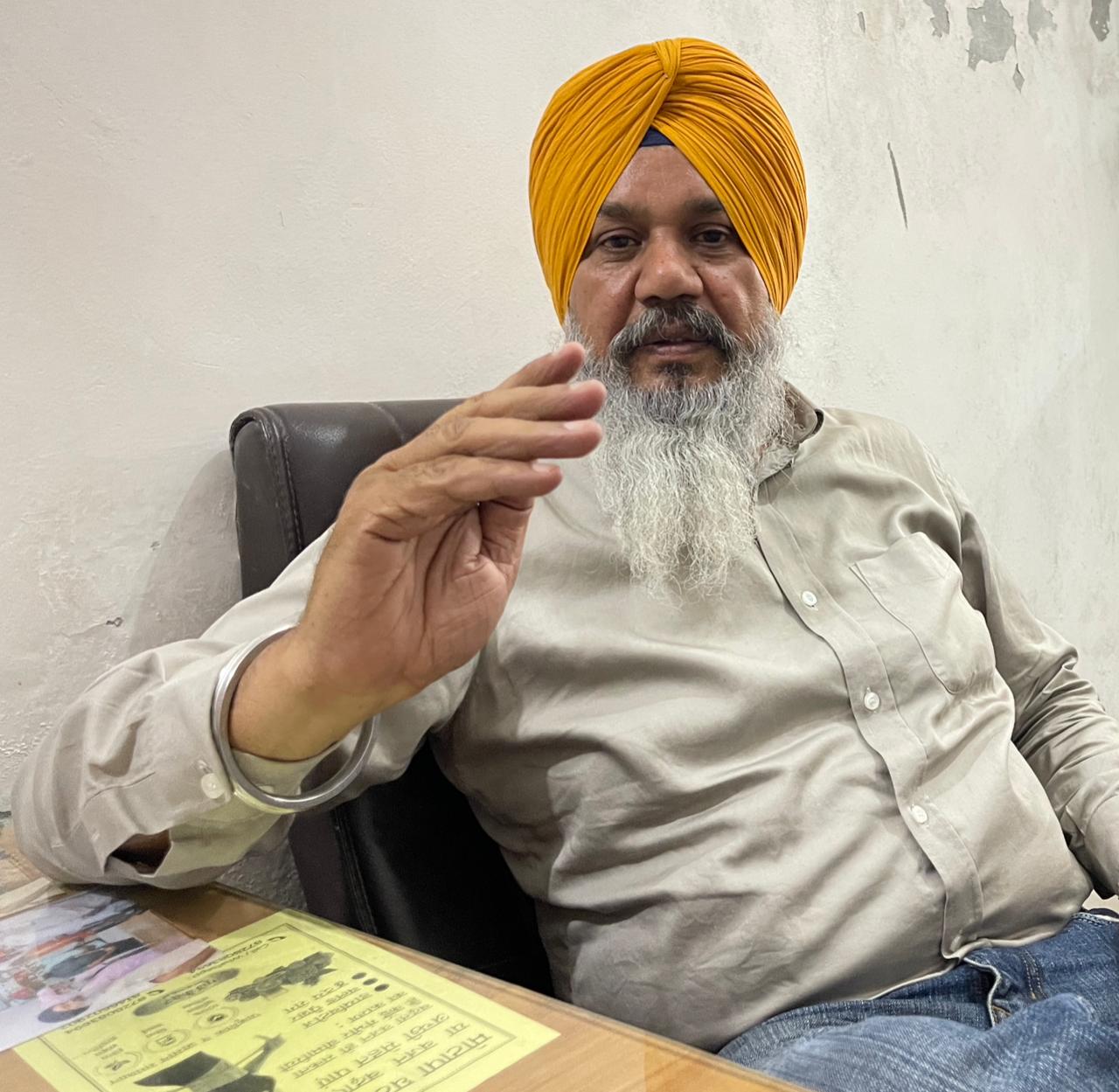
Amritsar, June 25 (K.L. Jit Walia): Paramjit Singh Kaler, senior leader of Waris Punjab De Akali Dal from the Raja Sansi constituency, said that the people of Punjab have become disappointed with the performance of traditional political parties and are now looking for a new and credible alternative for the state.
Speaking to journalists, Kaler claimed that under the leadership of Member of Parliament Bhai Amritpal Singh, Waris Punjab De Akali Dal is emerging as a strong political force in Punjab and has the potential to form the government in the 2027 Assembly elections.
He said that the people of Punjab are seeking lasting solutions to key issues such as development, employment, education, healthcare, and law and order. According to him, the party’s vision is focused on ensuring the welfare and equal rights of every section of society.
Kaler further alleged that some political opponents deliberately misrepresent Bhai Amritpal Singh’s ideology. He stated that the objective is to establish a system in Punjab where people of every religion, caste, and community receive equal respect and security, with social harmony, justice, and brotherhood given top priority.
Referring to history, Kaler said that the rule of Maharaja Ranjit Singh is remembered for religious tolerance, public welfare, and justice. He claimed that Waris Punjab De Akali Dal aims to promote a similar model of governance where Hindus, Sikhs, Muslims, Christians, and all other communities enjoy equal opportunities and respect.
He also said that Punjab’s youth are becoming increasingly aware of the state’s future and are looking for leadership that prioritizes Punjab’s interests. He expressed confidence that the party would receive greater public support in the coming years and usher in a new political chapter in the state.
Concluding his remarks, Kaler appealed to the people of Punjab to strengthen unity, peace, and communal harmony, saying that collective efforts by all sections of society are essential for the state’s progress and prosperity.
KL JIT WALIA