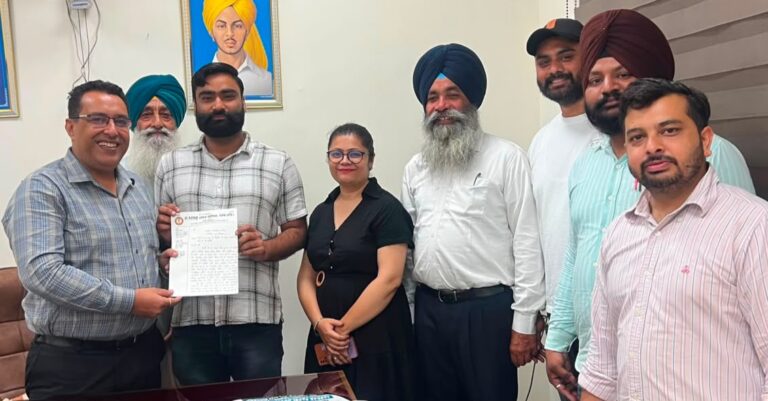
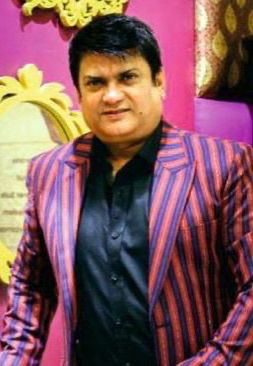
Amritsar, May 27 (K.L. Jit Walia) — The country’s prominent trade organization Bhartiya Udyog Vyapar Mandal has appointed renowned Punjab-based industrialist and founder of MAAHI BY MUKESH MEHRA, Mukesh Kumar Mehra, as the Punjab State Vice President.
Following this appointment, a wave of enthusiasm has been seen in Punjab’s business and industrial sectors.
On this occasion, Mukesh Mehra expressed special gratitude to the organization’s national leadership, including National Chairman Balkrishan Agarwal, National President Ravikant Garg, Senior National General Secretary Gopal Mor, National Treasurer Jagdish Biriwal, and Punjab Chairman Rajiv Aneja.
He stated that this appointment is not merely a position but a major responsibility to raise the voice of Punjab’s traders, industrialists, and youth before the Central Government.
Addressing the gathering, Mukesh Mehra said, “We will work as a strong bridge between Punjab and the Government of India. The issues faced by Punjab’s traders, textile industry, small businessmen, and youth will be effectively raised in Delhi so that Punjab can once again emerge as a leading state in trade and industry.”
He further stated that several important issues concerning Punjab’s commercial growth would be prioritized, including:
Simplifying and streamlining GST procedures for traders
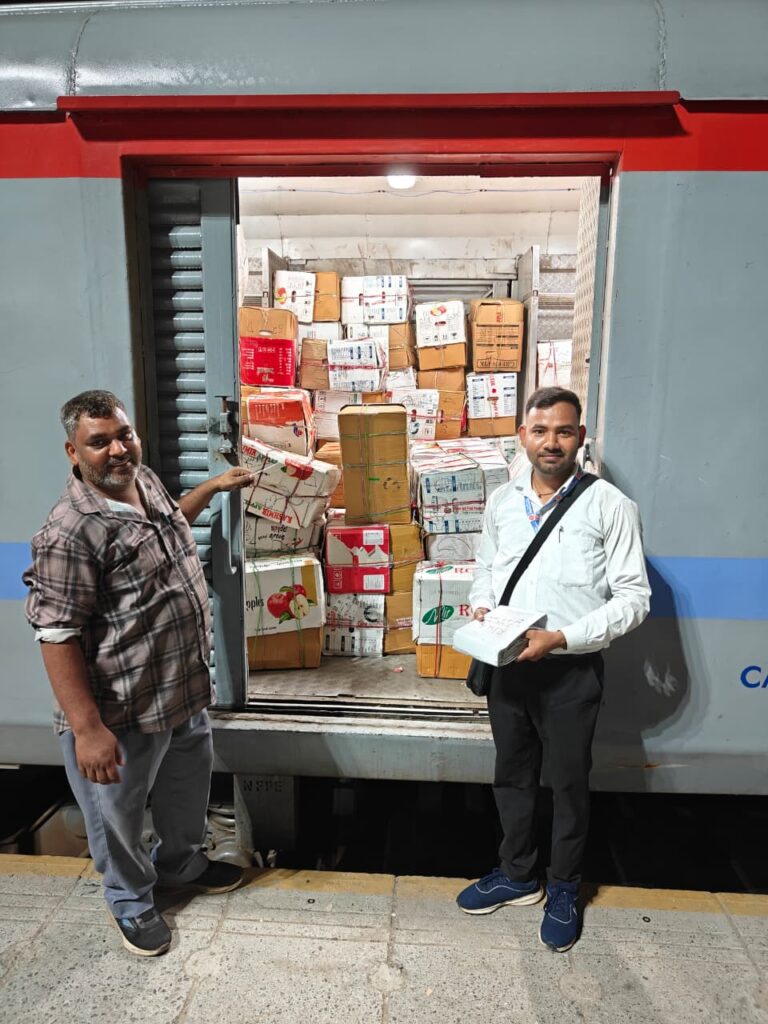
Demand for an Amritsar–Mumbai trade rail corridor to connect Amritsar with major commercial cities of the country
Special business packages for industries in border areas
New policy benefits for the textile, fashion, and MSME sectors
Creating new employment and self-employment opportunities for Punjab’s youth
Developing Amritsar as an international trade hub
Mukesh Mehra said that traders in Punjab have been facing various challenges for many years, and now the time has come to strongly raise their concerns at the national level.
He thanked all office bearers of the organization and the business community, adding that in the coming time, Bhartiya Udyog Vyapar Mandal will work extensively in Punjab for the protection of business interests, policy reforms, and industrial development.
KL JIT WALIA